Expert Negotiation for Wet Reckless Reduction Throughout California
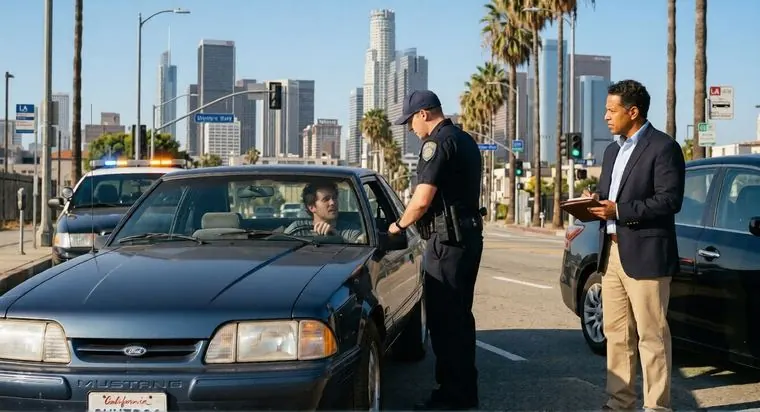
Arrested for DUI in Chino Hills, CA? A wet reckless reduction can save you from DUI conviction consequences—shorter program (6 weeks vs. 3-9 months), lower fines, less jail time, shorter probation, and significantly reduced impact on employment, insurance, and your record. A “wet reckless” under Vehicle Code § 23103.5 is a plea bargain where DUI charges are reduced to reckless driving with alcohol involvement, offering substantial benefits while avoiding the stigma and harsh penalties of a DUI conviction.
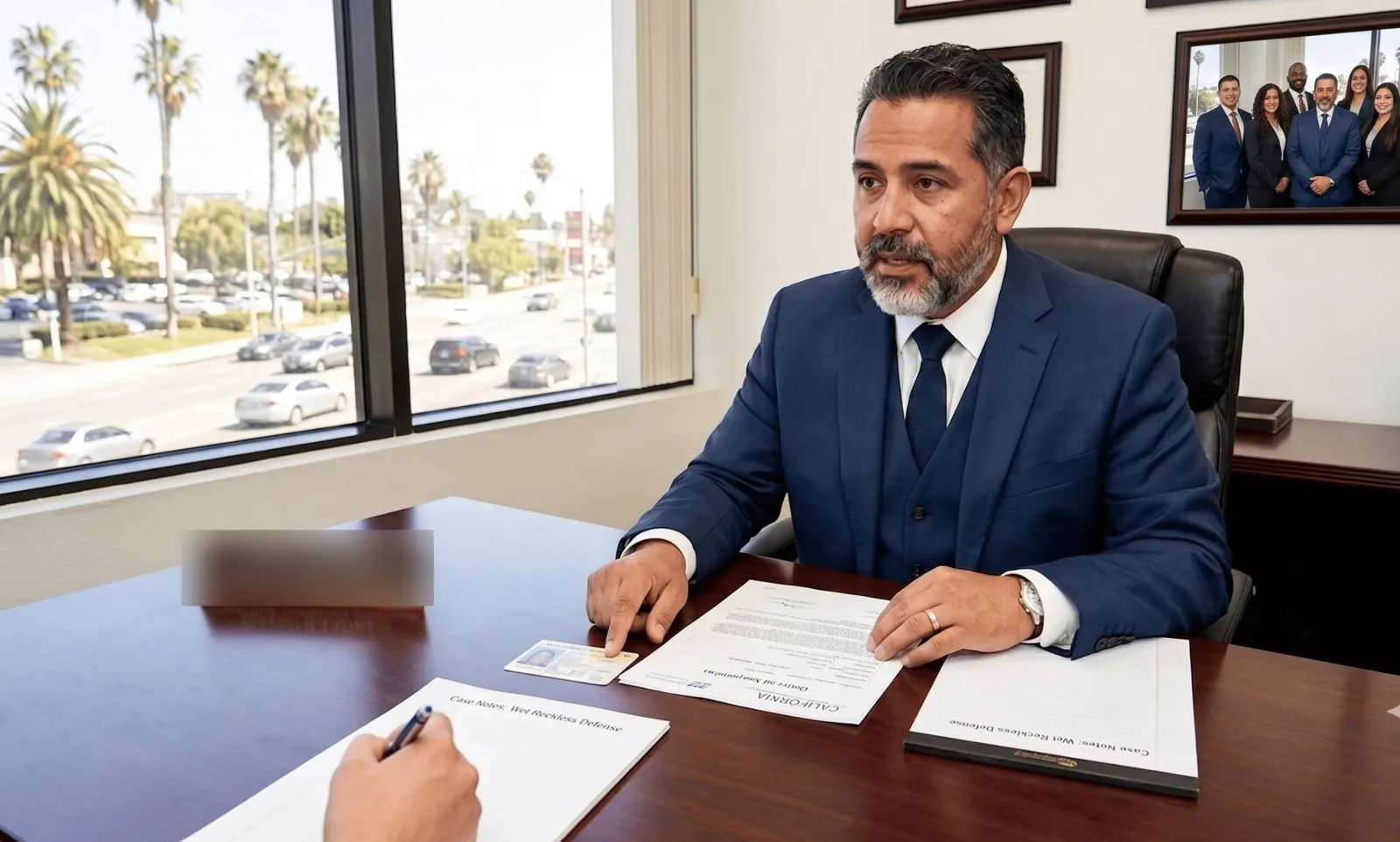
The Cespedes Law Firm, operating as Abogados Para DUI, provides aggressive wet reckless negotiation throughout California. Attorney Armando Josué Cespedes brings proven DUI reduction experience with a 5.0 client review rating on Avvo and three consecutive Client’s Choice Awards (2023, 2024, 2025).
Wet reckless is not a charge prosecutors file—it’s a negotiated plea reduction we fight to obtain in cases with borderline BAC, weak evidence, legal defenses, or strong mitigation. We evaluate every DUI case for wet reckless potential and negotiate aggressively.
Free Confidential Consultation: (888) 309-3323 | Available 24/7 | Hablamos Español
Office: 13925 City Center Dr, Chino Hills, CA 91709, USA
Understanding Wet Reckless (VC § 23103.5)
What Is Wet Reckless?
Vehicle Code § 23103.5: “Wet reckless” is a plea bargain reduction from DUI (VC § 23152) to reckless driving (VC § 23103) with notation that alcohol was involved.
The Law: If prosecution and defendant agree, DUI can be reduced to reckless driving under VC § 23103, with court record noting the offense involved alcohol consumption.
Not a Separate Charge:
- Prosecutors never file “wet reckless” charges initially
- Only available as negotiated plea bargain
- Must be agreed to by prosecutor and accepted by court
“Wet” vs. “Dry”:
- Wet reckless (VC § 23103.5): Reckless driving involving alcohol (alcohol notation on record)
- Dry reckless (VC § 23103): Reckless driving with no alcohol mention (best possible reduction)
Base Statute: VC § 23103 – Reckless Driving
The Underlying Charge: Vehicle Code § 23103 prohibits driving a vehicle in willful or wanton disregard for safety of persons or property.
Wet Reckless Elements:
- Drove a vehicle
- On a highway or in off-street parking facility
- With willful or wanton disregard for safety
- Alcohol was involved (per VC § 23103.5)
Advantages of Wet Reckless vs. DUI Conviction
Comparison Chart
Jail Time:
- DUI: 48 hours to 6 months (often 2-3 days minimum)
- Wet Reckless: Up to 90 days maximum (typically none imposed)
Fines:
- DUI: $390-$1,000 base ($1,800-$2,800 total with assessments)
- Wet Reckless: $145-$1,000 base ($500-$1,500 total with assessments)
Probation:
- DUI: 3-5 years
- Wet Reckless: 1-2 years (shorter period)
Alcohol Program:
- DUI: 3 months (30 hours) or 9 months (60 hours) if BAC 0.20%+
- Wet Reckless: 6 weeks (12 hours) – AB 1353 or AB 762 program
License Suspension:
- DUI: 6 months mandatory court-ordered suspension
- Wet Reckless: No mandatory court-ordered suspension (DMV administrative suspension separate issue)
Criminal Record:
- DUI: Shows as DUI conviction
- Wet Reckless: Shows as reckless driving (not DUI)
Stigma:
- DUI: Significant employment, insurance, social stigma
- Wet Reckless: Less severe—”reckless driving” vs. “drunk driving”
Key Benefits
Shorter Alcohol Program: 6-week program vs. 3-9 months saves:
- Time: 6 weeks (12 hours) vs. 3-9 months (30-60 hours)
- Money: $200-$400 vs. $500-$1,800
- Convenience: Faster completion, less time commitment
Less Jail Time: Most wet reckless pleas involve no jail time (or minimal time served), whereas DUI often requires 48-hour minimum.
Lower Fines: Total costs typically $500-$1,500 vs. $1,800-$2,800+ for DUI.
Shorter Probation: 1-2 years vs. 3-5 years—less time under court supervision, sooner to complete case.
Better for Employment: “Reckless driving” sounds better than “DUI” on background checks, though both show as misdemeanor convictions.
Lower Insurance Impact: Insurance rates increase less for reckless driving than DUI (though SR-22 still required).
Disadvantages of Wet Reckless
Still Counts as DUI Prior
Critical Limitation: According to California Vehicle Code § 23622, wet reckless counts as prior DUI conviction for purposes of DUI enhancements.
What This Means: If arrested for DUI within 10 years of wet reckless conviction:
- Treated as second DUI (not first)
- Mandatory 96 hours jail (vs. 48 hours for first)
- 18-30 month DUI program (vs. 3-9 months)
- 2-year license suspension (vs. 6 months)
- Enhanced penalties apply
10-Year Priorable Period: Wet reckless remains “priorable” (counts as prior DUI) for 10 years from conviction date.
DMV Consequences Not Eliminated
Administrative Suspension Continues: Wet reckless plea in criminal court does NOT eliminate DMV’s separate administrative license suspension.
DMV Still Suspends License:
- DMV’s admin per se suspension proceeds independently
- 4-month suspension if took chemical test (6 months total, but eligible for restricted after first month with IID)
- 1-year suspension if refused test
- Must fight DMV hearing separately to avoid suspension
What Wet Reckless Eliminates: Only the court-ordered 6-month suspension is eliminated. DMV administrative suspension still occurs unless won at DMV hearing.
SR-22 Insurance Required
High-Risk Insurance: Most insurance companies treat wet reckless similar to DUI, requiring SR-22 filing.
Insurance Costs: Rates increase 20-50% (vs. 50-100%+ for DUI), maintained for 3 years.
Appears on Criminal Record
Not Clean Record: Wet reckless is still misdemeanor criminal conviction appearing on background checks.
Employment Impact:
- Shows on all background checks
- Some employers treat as DUI (know what it is)
- Better than DUI, but not clean record
Can Be Expunged: After completing probation, can petition for expungement under Penal Code § 1203.4.
When Is Wet Reckless Available?
Prosecutor’s Discretion
Who Decides: Wet reckless is negotiated plea bargain—prosecutor has sole discretion whether to offer reduction.
Not Automatic: No right to wet reckless. Must be negotiated based on case weaknesses, legal issues, mitigating factors.
Factors Prosecutors Consider
1. Blood Alcohol Concentration (BAC):
Strong Candidates:
- BAC 0.08%-0.10% (just over limit)
- BAC 0.11%-0.14% (possible with strong mitigation)
Unlikely:
- BAC 0.15%+ (high BAC threshold for enhanced penalties)
- BAC 0.20%+ (very high—prosecutors typically won’t reduce)
2. Driving Pattern:
Favorable:
- Minor traffic violation (weaving once, speeding slightly)
- No accident
- No property damage
- No dangerous driving (no excessive speed, wrong-way, running red lights)
Unfavorable:
- Erratic driving, excessive weaving
- High speed (20+ mph over limit)
- Accident with property damage
- Accident with any injury (disqualifies wet reckless entirely)
3. Field Sobriety Tests:
Favorable:
- Performed well on FSTs
- Only failed 1-2 clues (not all tests)
- Officer noted good performance in areas
Unfavorable:
- Failed all FSTs badly
- Could not complete tests
- Fell during tests
4. Prior DUI History:
Strong Candidates:
- No prior DUI or wet reckless convictions
- Clean record (first offense)
Unlikely:
- Prior DUI within 10 years (second offense—less likely to reduce)
- Prior wet reckless
5. Chemical Test Issues:
Favorable:
- Legal issues with breath/blood test (rising BAC, mouth alcohol, contamination, chain of custody, Title 17 violations)
- Borderline test results
- Test administered improperly
6. Defendant Conduct:
Favorable:
- Cooperative with police
- Polite, respectful
- Took responsibility
- No belligerence or combativeness
Unfavorable:
- Hostile, combative, fighting with police
- Resisted arrest
- Verbally abusive to officers
7. Legal Weaknesses in Case:
Favorable:
- Illegal traffic stop (Fourth Amendment issues)
- Probable cause issues
- Breath/blood test problems
- Prosecution evidence weak
Strong Legal Defenses = More Likely Wet Reckless: If we identify serious legal problems in prosecution’s case (illegal stop, faulty tests), prosecutor more willing to offer wet reckless rather than risk dismissal at trial.
Ideal Wet Reckless Candidate Profile
Best Cases for Reduction:
- First DUI offense (clean record)
- BAC 0.08%-0.12% (borderline to moderate)
- Minor traffic violation (not accident)
- Good field sobriety test performance
- Cooperative with police
- Legal issues with stop or tests
- Strong mitigation (employment, family, community ties, treatment enrollment)
- Character references
When Wet Reckless NOT Available
Automatic Disqualifiers
1. Accident with Any Injury: If any person injured in accident, prosecutors will not reduce to wet reckless. Injury DUI cases prosecuted as VC § 23153 felony.
2. High BAC (0.15%+): California law imposes enhanced penalties for BAC 0.15%+. Prosecutors rarely reduce high BAC cases.
3. Refusal of Chemical Test: Refusing breath/blood test triggers enhanced penalties. Prosecutors view refusal as consciousness of guilt and rarely offer wet reckless.
4. Child Under 14 in Vehicle: VC § 23572 mandates enhanced penalties if child under 14 present. Wet reckless typically unavailable.
5. Prior DUI Within 10 Years: Second, third, or fourth DUI cases face mandatory minimum jail time. Prosecutors much less likely to reduce repeat offenses (though possible in very weak cases).
6. Extreme Reckless Driving:
- Excessive speed (30+ mph over limit, 100+ mph)
- Wrong-way driving
- Fleeing police
- Multiple accidents
7. On DUI Probation: If currently on probation for prior DUI and get arrested for new DUI (probation violation), prosecutors won’t offer wet reckless.
How We Negotiate Wet Reckless
Building Strong Mitigation Package
What We Present to Prosecutors:
1. Legal Weaknesses in Their Case:
- Fourth Amendment issues (illegal stop, search)
- Rising blood alcohol defense
- Breath/blood test problems (contamination, fermentation, calibration)
- Field sobriety test issues (medical conditions, improper administration)
- Probable cause problems
2. Borderline BAC Evidence:
- BAC just over 0.08% (0.08%-0.10%)
- Retrograde extrapolation showing BAC below limit when driving
- Testing margin of error considerations
3. Character and Mitigation:
- Clean criminal record
- Steady employment (letter from employer)
- Family support (spouse, children depending on you)
- Community ties (homeowner, long-term resident, volunteer work)
- Education, military service, career achievements
- Character reference letters from employers, clergy, community members
4. Proactive Steps:
- Voluntary alcohol education enrollment (before court—shows responsibility)
- AA/NA meeting attendance (documentation of meetings)
- Private alcohol assessment and treatment (counselor letters)
- MADD Victim Impact Panel attendance (voluntary)
- Community service (voluntary)
5. Limited Harm:
- No accident
- No property damage
- No injuries
- No dangerous driving
6. Special Circumstances:
- Medical emergency justifying driving
- Short distance driven
- Pulling over to sleep when realized impairment (good judgment)
Negotiation Timing
Early Resolution: We begin wet reckless negotiations immediately after reviewing discovery:
Arraignment/Pre-Trial:
- First discussions with prosecutor
- Present mitigation package
- Identify weaknesses in their case
Pre-Trial Conferences:
- Continued negotiations
- Present expert opinions (toxicologist reports)
- File suppression motions to demonstrate strength of defenses
Before Trial:
- Final negotiation leverage
- Prosecutor evaluates trial risk
- Often best time for wet reckless offer
Comparison: Wet Reckless vs. Dry Reckless vs. DUI
Three Possible Outcomes
Dry Reckless (VC § 23103 – NO alcohol notation):
- Best outcome (besides dismissal)
- Does NOT count as DUI prior
- No DUI program required (may require traffic school)
- Lower fines than wet reckless
- No alcohol notation on record
- Very rare—only in extremely weak prosecution cases
Wet Reckless (VC § 23103.5 – WITH alcohol notation):
- Good outcome (better than DUI)
- Counts as DUI prior (priorable for 10 years)
- 6-week alcohol program (12 hours)
- Lower fines than DUI
- Alcohol notation on record (but conviction is “reckless driving”)
- Shorter probation, less jail
- More common than dry reckless
DUI (VC § 23152):
- Standard conviction
- Counts as DUI prior
- 3-9 month DUI program
- Highest fines
- DUI conviction on record
- Mandatory IID, 6-month suspension
- 3-5 year probation
Negotiation Strategy
Push for Dry Reckless First: Always negotiate for dry reckless initially—if prosecutor refuses, settle for wet reckless.
Wet Reckless as Compromise: Prosecutors view wet reckless as compromise:
- You avoid DUI conviction
- They get priorable offense (counts as prior if future DUI)
Accept DUI Only if No Better Option: If wet reckless unavailable and case strong, may need to accept DUI or take case to trial.
DMV Hearing and Wet Reckless
Separate Proceedings
Critical Understanding: Criminal court wet reckless plea does NOT affect DMV administrative license suspension—two completely separate proceedings.
Criminal Court (Wet Reckless):
- Negotiated plea bargain
- Reduces DUI to reckless driving
- Eliminates court-ordered 6-month suspension
- Shorter program, lower fines
DMV Administrative Hearing:
- Separate administrative proceeding
- DMV decides whether to suspend license for DUI arrest
- Proceeds regardless of criminal court outcome
- Must fight DMV hearing separately
DMV Will Still Suspend
Administrative Per Se Suspension: According to California DMV, DMV suspends license based on DUI arrest, not conviction:
- 4-month suspension if took chemical test (but eligible for IID restricted license immediately)
- 1-year suspension if refused test (harder to get restricted license)
How to Avoid DMV Suspension:
- Request DMV hearing within 10 days of arrest
- We represent you at DMV hearing
- Challenge arrest, test results, officer conduct
- If win DMV hearing, no suspension
- If lose, serve suspension or get IID restricted license
Wet Reckless Helps at DMV: While wet reckless doesn’t eliminate DMV suspension, it can help in DMV hearing:
- Shows prosecution case weak (prosecutor reduced charges)
- Provides negotiating leverage with DMV
- May influence DMV hearing officer
Wet Reckless and Future DUI
Priorable Offense
Counts as Prior for 10 Years: If convicted of wet reckless and arrested for DUI within 10 years, treated as second DUI:
Second DUI Penalties:
- Mandatory 96 hours jail (4 days minimum)
- 18-30 month DUI program (vs. 3-9 months for first)
- 2-year license suspension (vs. 6 months for first)
- Increased fines
- Enhanced penalties throughout
After 10 Years: Wet reckless no longer counts for DUI enhancement purposes (but remains on criminal record permanently unless expunged).
DMV Records
2 Points on Driving Record: According to California DMV point system, reckless driving = 2 points on record.
Insurance Impact: Points remain on record for 3 years, affecting insurance rates.
Who Should Accept Wet Reckless?
Good Candidates
Accept Wet Reckless If:
- Prosecution case strong (BAC well over 0.08%, good evidence)
- No major legal defenses (stop was legal, tests properly administered)
- Want to avoid DUI conviction and harsher penalties
- First offense (no priors)
- Need to minimize jail, fines, program time
- Want to reduce employment, insurance impact
Example:
- First DUI, BAC 0.12%, legal stop, proper testing
- Case strong, unlikely to win at trial
- Wet reckless significantly better than DUI
- Recommendation: Accept wet reckless
When to Reject Wet Reckless
Fight for Better Outcome If:
- Strong legal defenses exist (illegal stop, faulty tests, rising BAC)
- BAC borderline (0.08%-0.10%) with testing issues
- Real chance of dismissal or dry reckless
- Willing to take case to trial
Push for Dry Reckless: If wet reckless offered but case very weak (major Fourth Amendment issues, unreliable tests), continue negotiating for dry reckless or dismissal.
Example:
- Illegal traffic stop (no reasonable suspicion)
- Breath test showed 0.09% with mouth alcohol issues
- Strong suppression motion likely to win
- Recommendation: Reject wet reckless, push for dry reckless or dismissal
Why Choose The Cespedes Law Firm for Wet Reckless Negotiation
Evaluation Expertise
- Analyze every DUI case for wet reckless potential
- Identify legal weaknesses in prosecution’s case
- Determine realistic outcome expectations
Aggressive Negotiation
- Present compelling mitigation packages
- Build relationships with prosecutors statewide
- Push for dry reckless first, wet reckless as fallback
- Never accept DUI without exploring all reduction options
Evidence Challenges
- File suppression motions demonstrating case weaknesses
- Hire forensic toxicologists to challenge BAC
- Present accident reconstruction experts if needed
- Show prosecutors trial risks they face
Mitigation Development
- Guide clients through proactive steps (treatment enrollment, AA meetings)
- Gather character references, employment letters
- Document rehabilitation efforts
- Present comprehensive mitigation packages
DMV Coordination
- Fight DMV hearing simultaneously
- Request hearing within 10-day deadline
- Coordinate criminal and DMV strategies
- Win DMV hearing when possible
Statewide Practice
- Negotiate wet reckless throughout California
- Know prosecutors, judges in all counties
- Los Angeles, Orange, Riverside, San Bernardino, Kern, San Diego, Sacramento, Bay Area
Proven Results
- 5.0 client review rating on Avvo
- Three consecutive Client’s Choice Awards
- Numerous DUI reductions to wet reckless and dry reckless
Bilingual Services
- Complete representation in Spanish (Hablamos Español)
Frequently Asked Questions
What is wet reckless?
Plea bargain reducing DUI to reckless driving with alcohol notation. Better than DUI—less jail, shorter program, lower fines, shorter probation.
Is wet reckless better than DUI?
Yes, significantly better. Avoids DUI conviction, 6-week program vs. 3-9 months, lower fines, less jail, shorter probation.
Does wet reckless count as DUI?
Counts as prior DUI for 10 years (if arrested for DUI within 10 years, treated as second offense). But conviction is “reckless driving,” not DUI.
Will wet reckless eliminate DMV suspension?
No. Criminal court wet reckless doesn’t affect DMV administrative suspension. Must fight DMV hearing separately.
How do I get wet reckless?
Not automatic—must be negotiated. We present legal weaknesses, mitigation, borderline BAC to convince prosecutor to offer reduction.
Can anyone get wet reckless?
No. Not available if: accident with injury, high BAC (0.15%+), refusal, child under 14 in vehicle, prior DUI, extreme reckless driving.
What is difference between wet and dry reckless?
Dry reckless = no alcohol notation, doesn’t count as DUI prior (best). Wet reckless = alcohol notation, counts as prior (still better than DUI).
How long is wet reckless probation?
1-2 years (vs. 3-5 years for DUI).
What is wet reckless alcohol program?
6 weeks (12 hours total)—AB 1353 or AB 762 program. Much shorter than 3-9 month DUI program.
Will wet reckless show on background check?
Yes, shows as misdemeanor reckless driving conviction. Better than showing DUI.
Can wet reckless be expunged?
Yes, after completing probation, petition under Penal Code § 1203.4.
Contact The Cespedes Law Firm for Wet Reckless Negotiation
Wet reckless reduction can save you from DUI conviction—shorter program, less jail, lower fines, better record. We identify case weaknesses and negotiate aggressively. Don’t plead guilty to DUI without exploring wet reckless option.
Call (888) 309-3323Now – Free Consultation – Available 24/7
- Phone
- (888) 309-3323
- Available
- 24 Hours, 7 Days a Week
- Languages
- English & Spanish (Hablamos Español)
Serving All California
Protecting Your Rights. Negotiating Reduced Charges. Fighting for Best Possible Outcome Throughout California.
The Cespedes Law Firm / Abogados Para DUI | California Wet Reckless Attorney
Sources & Legal References
California Government
- California Department of Motor Vehiclesdmv.ca.gov
- Vehicle Code § 23103leginfo.legislature.ca.gov
- Vehicle Code § 23103.5leginfo.legislature.ca.gov
- Vehicle Code § 23152leginfo.legislature.ca.gov
- Vehicle Code § 23622leginfo.legislature.ca.gov
- Penal Code § 1203.4leginfo.legislature.ca.gov